From the blog
Polo Ralph Lauren Cardigan QC Checklist
What This QC Check Aims to Solve When reviewing QC photos for Polo Ralph Lauren cardigans on fashion-reps, the goal isn't to authenticate an item from a single...
What This QC Check Aims to Solve
When reviewing QC photos for Polo Ralph Lauren cardigans on fashion-reps, the goal isn't to authenticate an item from a single image or to turn blurry details into quality guarantees. Instead, it's about confirming that the photos match the correct product and documenting evidence of the collar, cuffs, embroidery, body construction, color, and size. After completing the check, you should be able to decide whether to proceed with the purchase, request additional photos, ask the seller questions, or temporarily hold the order. 🧾
One important note first: the designated QC reference provided here is for a Polo Ralph Lauren multicolor embroidered-pony crewneck T-shirt, not a cardigan. Therefore, these images can only serve as an example of product identification and QC documentation, not as proof of the cardigan's material, workmanship, sizing, or quality. If your order is actually a cardigan, you should request QC photos that correspond to the cardigan itself.
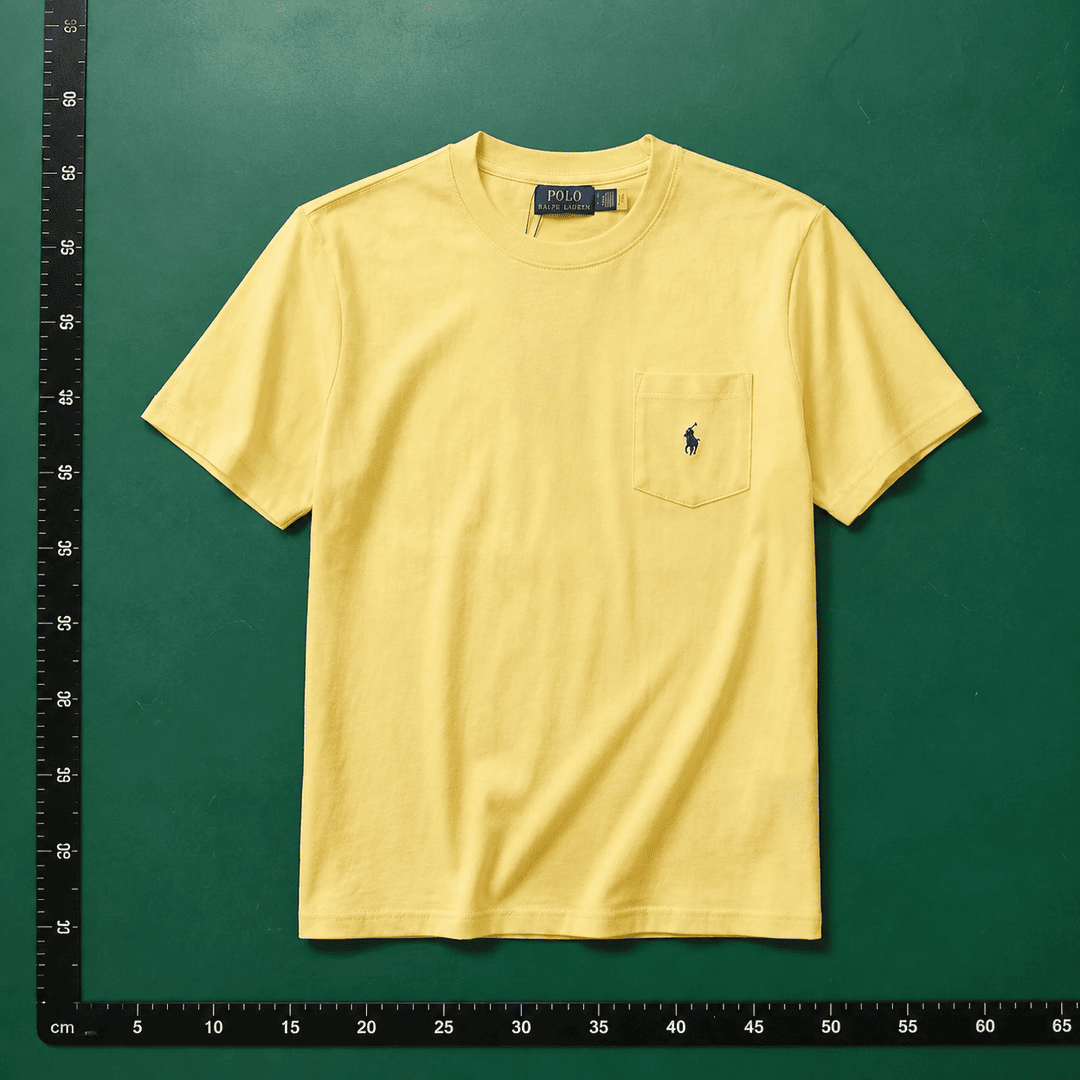
The corresponding product record in the image is a Polo Ralph Lauren multicolor embroidered-pony crewneck tee in a cotton-spandex knit. The product page states that this item is described as a cotton-based knit short-sleeve crewneck with spandex, offered in sizes S through XL and multiple color options. The page also notes that no complete flat measurements are provided, and there are no independent buyer reviews specifically about the embroidery for this item. The above reflects visible information from the product listing, not a guarantee of the physical item's quality.
How to Access View QC Photos from the fashionreps Product Page
You should first go to the product detail page, confirm the product name, style, and color options, then use the "View QC Photos" button on that page to access the QC gallery. Don't guess the QC URL directly, and don't mistake category pages, brand pages, main product images, or photos of other items for this product's QC evidence.
Once in the gallery, check three things first:
- Do the photos show the same product category as your order? For example, cardigan photos cannot be replaced with T-shirt photos.
- Do the color, neckline, sleeve type, embroidery position, and overall structure in the photos match the product detail page?
- Can you clearly see the areas that need evaluation? If the photos are too far away, have glare, obstructions, or low resolution, mark them as unconfirmed.
When the product name in the page record and the image content show a category mismatch, it's better to pause judgment and ask the seller or shopping agent rather than continuing to infer based on brand name or similar logos. 🔍
What Visible Evidence to Record for Collar, Cuffs, and Body Construction
For QC photos that actually correspond to a knit cardigan, you can record the following by area:
For the collar, check whether the ribbing or binding is continuous, and whether the edges are significantly distorted, wrinkled, or deformed. For cardigans, also confirm that the collar connects smoothly to the front placket, and that the left and right sides are roughly symmetrical when buttoned. Photos can only show the appearance at that moment, not prove resilience after wear or long-term durability.
For the cuffs, observe whether the two sides are similar in width, and whether the cuffs have obvious looseness, loose threads, fraying, or localized bulging. If only one cuff is shown, you cannot assume the other side is problem-free.
For the body, record whether the front placket, shoulder seams, underarms, and hem show obvious pulling, misalignment, stains, holes, or loose threads. Knit fabric may look different when laid flat, hung, or held, so don't mistake slight natural wrinkles for structural defects, and don't mistake a flat appearance in photos for conclusions about fabric feel or thickness.
The designated image here is for a crewneck short-sleeve T-shirt, which is insufficient to support judgment of a knit cardigan's collar, cuffs, or front placket structure. Its main value is to help identify the preliminary issue of whether the photos match the product.
How to Compare Embroidery, Logo Placement, and Color Item by Item
Embroidery inspection should be divided into visible placement and unconfirmable craftsmanship details. Visible placement includes whether the logo is in the area shown on the product page, whether its left-right position is obviously off, whether the pattern color matches the selected color option, and whether there are obvious stains or large areas of exposed backing around it.
What cannot be confirmed from ordinary QC photos includes stitch density, backing fabric, thread composition, post-wash stability, and brand authenticity. Even if the logo looks similar to reference images, that does not prove the item is genuine or meets a certain quality grade. 🧵
When comparing colors, base it on the color options on the product detail page and your order selection. Different lighting, camera white balance, and screen settings can cause color shifts, so you can record "appears dark or light in the photo," but you should not treat the screen display as an accurate color code. If color is critical to your purchase decision, request close-up photos in natural light and keep the original files.
How to Check Size Photos Separately from Product Page Size Info
Product page size information and QC size photos are two types of evidence and cannot replace each other. The S, M, L, XL listed on the page only indicate the available size range; they do not mean that the length, chest, shoulder width, or sleeve length for each size has been confirmed.
If the QC photos include a measuring tape, record the measurement item, whether the reading is clear, whether the starting point is aligned, whether the garment is laid flat, and whether the full scale is visible. If only partial numbers are visible, mark as "size unconfirmed" and do not fill in missing values on your own.
It's recommended to compare the target garment with a similar item you already own and that fits well, at least checking chest width, shoulder width, length, and sleeve length. For cardigans, also pay attention to chest allowance when buttoned and hem length. If the product page has no flat measurements, ask the seller for specific measurement data before deciding.
The product record here clearly notes that the listing does not provide complete flat measurements, so you cannot determine from the size range S-XL whether it runs large, small, or fits a particular body type. 📏
How to Mark Uncertainty for Defects, Obstructions, and Insufficient Photos
You can use three simple markers: Seen, Not Seen, Cannot Judge.
"Seen" is used only for facts directly visible in the photos, such as an obvious loose thread in a certain area, a stain in the photo, or a measuring tape clearly showing a value. "Not Seen" only means that under the current angle and clarity, no obvious issues were found; it does not mean the item is absolutely free of defects. "Cannot Judge" applies to areas obscured by packaging, hangers, hands, shadows, or low resolution.
Request additional photos or consult the seller in the following situations:
- No close-up photos of the collar, cuffs, hem, or logo area.
- Color is hard to distinguish from your order selection.
- Size photos lack full scale or measurement starting point.
- Photos only show a T-shirt, but the ordered item is a knit cardigan.
- The defect you need to confirm is in a shadow, glare, or folded area.
- Product details in photos cannot be matched to the description page.
Photo requests should be specific to location and angle, such as asking for front, back, collar, both cuffs, logo close-up, front placket, and complete flat measurements for a cardigan, rather than just saying "please check quality."
Which Observations Only Support Additional Photos or Consultation, Not Proof of Authenticity and Quality
QC photos help you check order correspondence, visible appearance, obvious defects, and whether size evidence is sufficient, but they cannot alone prove authenticity, fabric composition, wearing comfort, post-wash shrinkage, long-term pilling, durability, or successful after-sales service.
Product page descriptions should also be kept separate from independent observations. For example, if the page states cotton blend, that is only listing information; if the photo shows embroidery, that only means embroidery details appear in the photo. Unless there is clear and corresponding physical evidence, you should not upgrade "has embroidery" to "embroidery is secure," nor upgrade "photo looks neat" to "reliable quality."
Some durability and fit information in this material comes from reviews of other Polo Ralph Lauren cotton crewneck products, and it is not the same fabric and SKU as the current cotton-spandex item. Therefore, this information cannot be directly applied to this product, let alone to a knit cardigan. If your goal is a cardigan, you should obtain the cardigan's own detail page and QC gallery evidence.
Final Actions: Save QC Evidence and Decide to Proceed, Ask, or Hold
Proceed with the purchase only if: the photos clearly match your ordered item, color and style are consistent, key areas have sufficiently clear photos, size data can be compared with a well-fitting garment, and there are no unresolved obvious defects.
Request additional photos or consult when: product category mismatch, logo or structure obscured, size missing key readings, color cannot be confirmed, or photos are insufficient to support your purchase decision.
Hold the order when: the seller cannot provide QC photos of the corresponding item, product information and photos persistently mismatch, key defects cannot be explained, or you need guarantees of authenticity, fabric, and long-term quality while current evidence only supports limited judgments on appearance.
When saving, it's recommended to keep screenshots of the product page, original QC photos, order color and size, measurement records, and questions sent to the seller. This way, if size disputes, photo mismatches, or return/exchange requests arise later, the evidence chain will be more complete than saving a single blurry photo. Ultimately, whether to proceed should be based on visible evidence of the corresponding item and the return/exchange terms published by the shopping agent at that time; do not treat QC photos as a guarantee of successful returns or exchanges.
Continue reading