From the blog
How to Read Stussy Winter Hoodie QC Photos
When buying a winter hoodie, what you really need to judge is not whether a photo "looks good," but whether the set of QC photos is sufficient to support contin...
When buying a winter hoodie, what you really need to judge is not whether a photo "looks good," but whether the set of QC photos is sufficient to support continuing the purchase, requesting additional photos, or consulting about returns/exchanges. This article targets the Stussy hoodie on the Fashionreps product page and explains how to enter the corresponding View QC Photos from the product details page, then check size, color, fit, drawstrings, prints, stitching, and obvious flaws in order. This article only discusses facts visible in the photos, and does not extend photo judgment to authenticity or final quality assurance.📌
Verification date: October 13, 2026. Prices, inventory, sizes, product details, QC photos, and agent policies may change. Before submitting an order or requesting returns/exchanges, you should re-check the page and the agent's current rules.
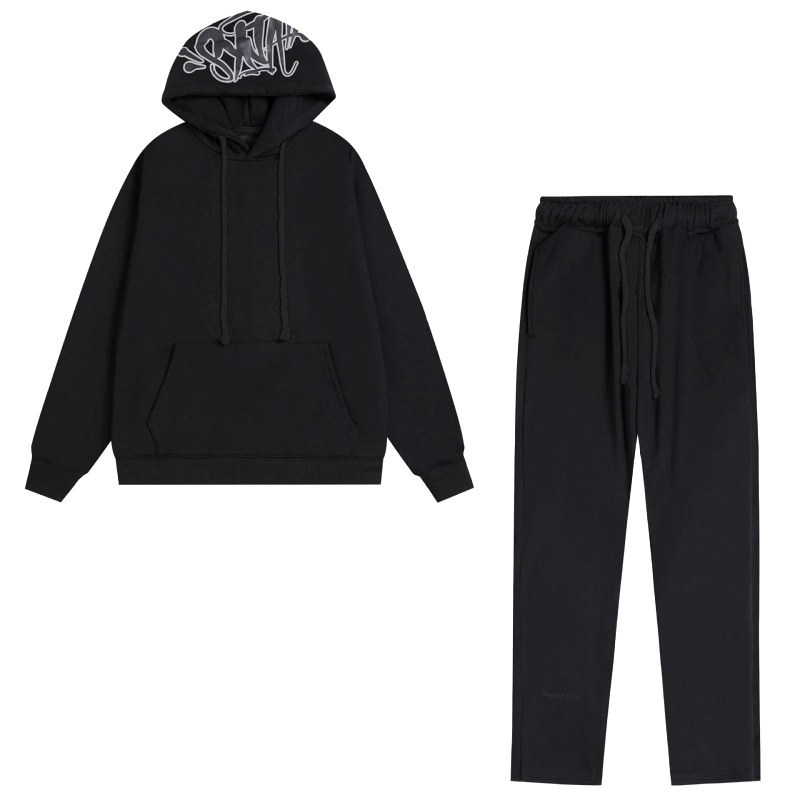
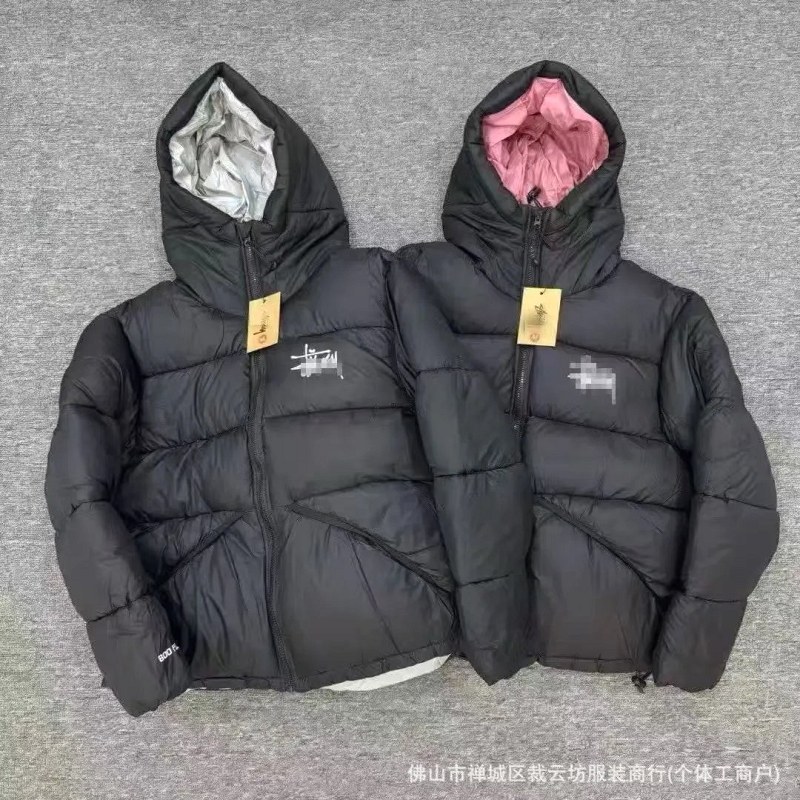
Image verification note: The image above shows an MLB baseball cap, not the Stussy winter hoodie that is the subject of this article, so it cannot be used to judge the hoodie's size, color, print, drawstrings, or workmanship. When reading this article, you should refer to the original QC images of the hoodie opened through View QC Photos on the target product details page.
First determine the specific Stussy hoodie and inspection objectives
First confirm whether the product title, product category, and style are indeed a hoodie. Under the same Stussy brand, there may be short-sleeved shirts, knitwear, jackets, and hoodies with different graphics. Do not treat QC photos of other products as evidence for the target product just because the brand name appears in the title.
The specific question for this inspection is: Are the QC photos of this winter hoodie sufficient for the buyer to confirm the selected color and size, and are there any obvious issues that require requesting additional photos or raising objections while still in the warehouse stage?
After viewing, the buyer should be able to take one of three actions:
- Confirm that the photos match the selected color, size, and style, and proceed with package consolidation or shipping decisions.
- Find insufficient evidence and request clearer close-up photos or actual measurement photos from the agent.
- Find visible wrong color, obvious stains, damage, severe misalignment, or size concerns, and first consult about current return/exchange conditions.
If you need to confirm brand authenticity, fabric weight, warmth, shrinkage after washing, or long-term durability, ordinary QC photos are usually insufficient for judgment, and you should not treat the photos as proof of these conclusions.
Check color, size, and variants on the Fashionreps product details page
Do not start directly from the homepage, brand page, category page, or images of other products. First open the target product details page and check the following information:
- Does the product name clearly indicate Stussy hoodie or the corresponding style description?
- Does the selected color match the color variants listed on the page?
- Is the selected size still within the currently available range?
- Do the main product image, text description, and variant selector point to the same product?
- Does the product page clearly provide a View QC Photos entry?
Color names are only for recording selections and cannot replace physical verification in QC photos. Black, dark gray, washed gray, navy blue, and other dark colors can look similar under different lighting. If color is important for the purchase decision, you should request natural light or more accurate photos from the agent and keep the original images.
Size cannot just look at S, M, L, or XL. The chest width, body length, shoulder width, sleeve length, and hem shape of a hoodie all affect the wearing effect. If the page does not provide actual measurement data, QC photos at most help determine whether the correct size label was received, and cannot replace flat measurements.
Enter the corresponding product image gallery through View QC Photos
After confirming the product details page, click the button clearly labeled View QC Photos. The purpose of this entry is to bring you to the QC photo gallery of the current product or the current product style, not to let you browse any set of reference images on the website.
After entering the gallery, first check whether the product in the photos matches the product page:
- Is the item a hoodie, not a short-sleeved shirt, jacket, or other top?
- Do the graphic position, color, and style match the selected variant?
- Do the photos show the same product from the front, back, sides, and close-ups?
- Are there size labels, packaging labels, or order-related identifying information for comparison?
- Are the photos too dark, overly reflective, severely cropped, or obscured by other objects?
If the gallery contains other colors, other sizes, or other products, do not piece together different photos into a set of "complete evidence." Record which photos belong to the target product and which cannot be confirmed. If confirmation is not possible, you can request a reshoot rather than drawing conclusions based on similar styles.🔍
Check hoodie fit, color, and visible size evidence
Fit
First look at the overall silhouette of the hoodie when laid flat. Whether the shoulder lines roughly correspond left and right, whether the sleeves are obviously twisted, and whether the body shows unnatural local stacking are visible phenomena that can be recorded. Photo angle, garment placement, and lens distortion can affect judgment, so do not directly write off minor left-right differences as size non-compliance.
If the product page claims relaxed, regular, or cropped fit, you can only make a preliminary comparison between the silhouette in the QC photos and the page description. Without flat measurement data, you should not precisely infer chest circumference, body length, or sleeve length.
Color
Compare the front, back, and close-up photos together, not just looking at one thumbnail. Check whether there are obvious color differences between the body, hood, cuffs, and hem. Differences in brightness caused by different light sources do not equal dyeing inconsistency. If clear color boundaries appear on the same plane, or the physical item photographed is clearly not the selected variant, save the original image and ask.
For styles with washed, distressed, or gradient effects, color variation may be part of the design. Only record it as a design feature if the product details page clearly describes the effect and the variation in the QC photos matches the style.
Size evidence
Prioritize checking whether there are flat measurement photos with a measuring tape, and whether the starting and ending positions of the tape are clear. Records can be divided into three categories:
- Visible: The measurement of a certain part does appear in the photo.
- Incomplete: There is a tape measure, but the start, end, or markings are obscured.
- Unjudgeable: No measurement photo, or the angle is insufficient for reading.
Do not infer specific centimeter measurements from body proportions, hanger size, or packaging dimensions. If size fit is a primary purchase condition, you should request measured photos of key parts such as chest width, body length, sleeve length, and shoulder width before shipping, and ask about the agent's current available services and fees.
View drawstrings, prints, stitching, and seam details
Drawstrings and hood opening
Zoom in to check whether both ends are in the frame, whether the drawstring length is obviously abnormal, and whether the aglets are clearly frayed or falling off. Whether the two sides of the hood opening are roughly symmetrical and whether there are obvious wrinkles at the hood panel connections are also recordable items.
Photos cannot reliably judge drawstring material, tensile strength, or long-term wear. Only write "the aglets in the photo appear intact" or "the area is partially obscured," not durability guarantees.
Prints, embroidery, or appliqués
First confirm that the graphic position matches the style description on the product page, then check the edges for obvious cracks, lifting, missing print, severe misalignment, or foreign object obstruction. For prints, light reflection may create the illusion of cracks; for embroidery, thread ends and partial bulges may also come from the shooting angle.
If the resolution of the detail photos is insufficient, the safest record is "current image cannot confirm." Do not turn similar fonts, similar graphics, or low-resolution partial photos into authenticity judgments. QC photos can only help identify visible issues, not prove genuine, replica, or exact match with the original.🧵
Stitching and seams
Check segment by segment along shoulder seams, armholes, side seams, cuffs, hem, and hood connection. Focus on recording:
- Are there obvious broken threads, long loose threads, or unraveled stitching?
- Are there obvious gaps or partially unsewn seams?
- Is there severe asymmetry visible to the naked eye in the left and right structure?
- Is the fabric obscured by pinholes, clamped seams, or packaging creases?
Minor loose threads, creases, and shipping creases do not necessarily constitute grounds for return/exchange. Whether they can be handled depends on the agent's rules and seller policies. When visible holes, open seams, severe stains, or wrong items appear in photos, save evidence first, then consult how to handle.
Distinguish visible facts in photos from unjudgeable parts
What can be directly written into the issue list are facts repeatedly observable in the photos, such as "the front photo shows a noticeable loose thread near the left cuff," "size label visible, but no flat measurement photos," "back photo obscured by shadows, cannot confirm if there are stains on the hem."
What should be kept as uncertain items includes:
- Authenticity, authorization, and brand origin.
- Fabric composition, weight, warmth, and breathability.
- Shrinkage after washing, fading, pilling, and print durability.
- Comfort during wear and suitability for specific body types.
- Lining, pockets, hardware, and hidden areas not shown in photos.
Changing "looks good" to verifiable descriptions will make subsequent communication easier. For example, instead of writing "quality is good," write "in the currently provided front, back, and cuff photos, no obvious holes are seen, but there are no close-up photos of the lining and key seams."📷
When to record issues and consult return/exchange conditions
After finding an issue, first download or save the original QC photos, and record the photo number, photographed part, product color, and size. Do not just screenshot compressed chat previews, and do not expose order numbers, names, addresses, or payment information when sharing publicly.
Situations suitable for consulting the agent immediately include:
- The color or style in the photos does not match the order selection.
- The size label is inconsistent, or key measurements clearly do not meet confirmed requirements.
- Holes, open seams, severe stains, obvious misprints, or obvious missing parts are present.
- Key areas are obscured, preventing judgment of facts that affect the purchase decision.
- The received photos are suspected to belong to another product, another color, or another size.
When consulting, use neutral wording and clearly request: which part to reshoot, what angle is needed, whether flat measurements can be provided, and the current conditions for return/exchange or repurchase. Do not ask the other party to provide methods for under-declaring, splitting orders to evade taxes, or evading inspections. Cross-border shipping still requires compliance with the destination country's declaration and import regulations.
If the issues are only minor creases, a few loose threads, or appearance differences that cannot be proven to affect use, you should first ask about seller and agent policies, then decide whether to bear the time and cost of returns/exchanges. Return/exchange windows, domestic return shipping costs, and service fees may differ across platforms. Do not treat the outcomes of other orders as promises for the current product.
Final actions: Save QC original photos, issue list, and decision
After completing the inspection, use the following sequence for decisions:
- Save the title, color, size, and verification date from the product details page.
- Save the original photos of the target product entered through View QC Photos, without mixing in other product photos.
- Write each issue into three columns: "photo facts, unconfirmable items, requested actions."
- Request additional photos or consultation for size, color, print, or obvious flaws.
- Before receiving a reply, do not rush to consolidate packages, pay international shipping, or close available processing windows.
- Combine return/exchange conditions, domestic return shipping costs, time loss, and package risks to decide to keep, exchange, or abandon.
If the QC photos show no obvious problems, what is saved is time waiting for additional photos or returns/exchanges; the increased risk is that photos cannot cover fabric feel, changes after washing, hidden areas, and long-term durability. This is suitable for buyers willing to check each item against the photos, accept evidence boundaries, and keep records; it is not suitable for those who require authenticity, wearing effect, or long-term quality guarantees before purchase.
When the specified images do not match the target hoodie and the original QC photos of the target product cannot confirm the correspondence, it is not recommended to continue shipping based only on existing photos. First return to the target product details page, re-check the gallery through the product's own View QC Photos entry, and pause the final decision until the evidence is complete.
Continue reading